
No products in the cart.
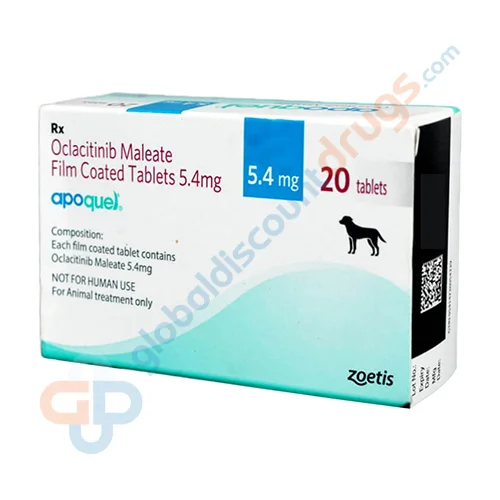
Oclacitinib
In StockOclacitinib is a prescription medicine used to manage allergic skin conditions and itching in dogs, including canine atopic dermatitis and allergic dermatitis. It works by inhibiting Janus kinase (JAK) enzymes involved in inflammatory and itch signaling pathways, helping reduce itching and skin inflammation. Treatment supports improved comfort and skin health in affected dogs. Use only as directed by a licensed veterinarian.
$2.32 per pill
What is Oclacitinib?
Oclacitinib is a prescription medication used in veterinary medicine to help control itching and inflammation associated with allergic skin disease in dogs. It belongs to a class of medicines called Janus kinase (JAK) inhibitors, which work by blocking specific signals involved in inflammation and allergic reactions.
Veterinarians commonly prescribe oclacitinib for conditions such as:
Allergic dermatitis
Atopic dermatitis
Chronic itching caused by environmental allergies
The medication helps reduce itching and skin irritation but does not cure the underlying allergy.
Oclacitinib is commonly available in the following forms:
Oral tablets for dogs
Different strengths are produced so veterinarians can adjust treatment according to the dog’s body weight and medical condition.
What is the Recommended Dosage of Oclacitinib?
The appropriate dosage of oclacitinib is determined by a licensed veterinarian and depends primarily on the animal’s body weight and medical history.
Dosage considerations may include:
The dog’s body weight
Severity of allergic symptoms
Duration of the allergic condition
Presence of other illnesses
Use of other medications
Available dosage forms include:
Oral tablets in multiple strengths for accurate weight-based dosing
Veterinarians may begin treatment with an initial dosing schedule to control itching quickly and later adjust the dose for long-term management.
Because immune signaling pathways are involved, dosing must follow veterinary instructions carefully. Pet owners should never change the dosage without veterinary guidance.
How Oclacitinib Works
Oclacitinib works by blocking specific enzymes known as Janus kinases (JAKs) that are involved in inflammatory signaling in the body.
During allergic reactions, immune cells release chemicals called cytokines. These cytokines trigger itching, redness, and inflammation in the skin.
By inhibiting the JAK pathway, oclacitinib helps:
Reduce itching signals sent to the brain
Decrease inflammation in the skin
Improve comfort for dogs with allergic skin disease
The medication controls symptoms of allergic dermatitis but does not eliminate the underlying allergy. Long-term allergy management may also include environmental control, dietary changes, or other treatments recommended by a veterinarian.
Is a Prescription Required to Buy Oclacitinib Online?
Yes. In most regions, oclacitinib is a prescription-only veterinary medication.
A veterinarian must evaluate the animal before prescribing treatment. Skin itching can result from several causes, including:
Allergies
Parasites
Skin infections
Hormonal disorders
Accurate diagnosis helps ensure the correct treatment.
Pet owners should consult a licensed veterinarian before starting therapy. Medication should only be obtained from licensed veterinary pharmacies or veterinary clinics.
Counterfeit or improperly stored products may be unsafe and ineffective.
Side Effects of Oclacitinib
Like all medications, oclacitinib may cause side effects in some animals. Many dogs tolerate the medication well when used as directed.
Common Side Effects
Possible mild effects include:
Vomiting
Diarrhea
Reduced appetite
Lethargy
Mild skin infections
These effects are often temporary but should be discussed with a veterinarian if they persist.
Serious Side Effects
Although uncommon, more serious problems may occur, including:
Persistent infections
Abnormal skin growths
Severe lethargy
Significant weight loss
Signs of immune suppression
Immediate veterinary attention is required if severe symptoms develop.
Drug Interactions
Oclacitinib may interact with other medications that influence the immune system.
Important interaction categories include:
Immunosuppressive medications
Combining multiple immune-modifying drugs may increase infection risk.
Anti-inflammatory medications
Certain medications may affect immune responses or inflammation pathways.
Vaccines
Because the medication influences immune signaling, veterinarians may evaluate vaccination timing carefully.
Pet owners should provide their veterinarian with a complete list of medications, supplements, and treatments their pet is receiving.
Safety & Important Considerations
Several health factors should be considered before starting oclacitinib therapy.
Age Restrictions
The medication is generally not recommended for dogs younger than 12 months, as their immune systems are still developing.
Infection Risk
Because oclacitinib modifies immune signaling, dogs receiving treatment may have an increased risk of infections.
Monitoring
Veterinarians may monitor:
Skin condition
Signs of infection
Overall health and weight
Regular veterinary checkups help ensure the medication remains safe and effective.
Other Medical Conditions
Dogs with serious infections, certain cancers, or immune system disorders may require alternative treatments.
Who This Medication Is For
Oclacitinib is typically prescribed for:
Dogs diagnosed with allergic dermatitis
Dogs experiencing moderate to severe itching
Animals with environmental allergies
Dogs with atopic dermatitis confirmed by a veterinarian
Treatment is usually recommended after a veterinarian evaluates the underlying cause of the itching.
Who Should Not Take Oclacitinib
Oclacitinib may not be suitable for all dogs.
Veterinarians may avoid this medication in animals that:
Are younger than 12 months
Have serious infections
Have known immune system disorders
Have certain types of cancer
Are known to be allergic to the medication
Veterinary evaluation is necessary to determine whether this medication is appropriate.
What to Do If You Miss a Dose
If a dose of oclacitinib is missed:
Give the missed dose as soon as it is remembered
If it is close to the next scheduled dose, skip the missed dose
Continue with the regular dosing schedule
Do not give two doses at the same time.
If multiple doses are missed or dosing instructions are unclear, pet owners should contact their veterinarian for guidance.
Alternatives to Oclacitinib
Several treatments may be used to manage allergic skin disease in dogs depending on the cause and severity of symptoms.
Examples include:
Lokivetmab
Antihistamines
Corticosteroids
Allergen-specific immunotherapy
Each treatment option has different benefits and risks. A veterinarian determines the most appropriate therapy after evaluating the dog’s condition.
Storage Instructions
To maintain safety and effectiveness:
Store tablets at room temperature
Protect from excess heat and moisture
Keep medication in the original packaging
Store out of reach of children and other animals
Always follow storage instructions provided by the veterinary clinic or pharmacy.
Disclaimer
This page is for educational purposes only.
It is not a substitute for professional veterinary advice, diagnosis, or treatment. Pet owners must consult a licensed veterinarian before starting, changing, or stopping treatment.
Treatment decisions must be based on a full clinical evaluation by a qualified veterinary professional.

$0.95 – $1.16 per pill


$0.37 – $0.45 per pill


$0.26 – $0.32 per pill
$1.53 – $1.87 per pill


