
No products in the cart.
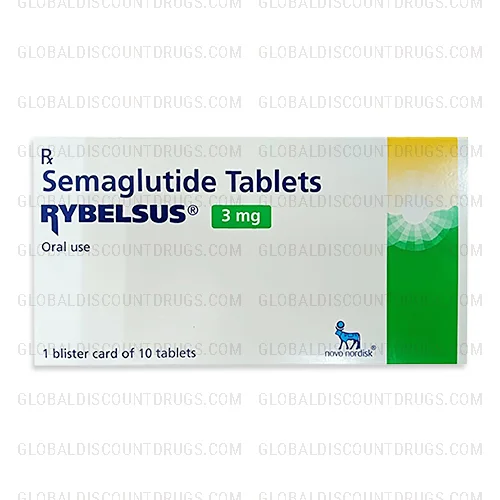


Semaglutide
In StockSemaglutide is a prescription medicine used to help manage type 2 diabetes mellitus and support blood sugar control in adults. It belongs to the glucagon-like peptide-1 (GLP-1) receptor agonist class and works by helping increase insulin release, reducing excess glucose production, and slowing digestion. These actions support improved glycemic control. Use as directed on the product label.
$10.52 per pill
What is Semaglutide?
Semaglutide is a prescription medication used to treat **type 2 diabetes mellitus** and, in certain formulations, **chronic weight management** in adults. It belongs to a class of drugs called **GLP-1 receptor agonists** (glucagon-like peptide-1 receptor agonists).
Approved uses include:
* Improving blood sugar control in adults with type 2 diabetes
* Reducing the risk of major cardiovascular events (such as heart attack or stroke) in certain adults with type 2 diabetes and heart disease
* Chronic weight management in adults with obesity or overweight with weight-related conditions
Available Formulations and Strengths
Semaglutide is available as:
* **Subcutaneous injection (once weekly)**
* **Oral tablet (once daily)**
Different brand formulations may vary in strength and approved indication. There is no topical or immediate-use injectable emergency form.
What is the Recommended Dosage of Semaglutide?
The dose of semaglutide depends on:
* The condition being treated (diabetes or weight management)
* Patient response
* Tolerance to side effects
* Kidney and liver function
* Other medications
Semaglutide is usually started at a low dose and gradually increased to reduce stomach-related side effects.
* The **injection** is typically given once weekly on the same day each week.
* The **oral tablet** is taken once daily on an empty stomach, as directed.
Exact dosing must be determined and adjusted by a licensed medical specialist, typically an endocrinologist or primary care physician. Patients should not adjust doses without medical guidance.
How Semaglutide Works
Semaglutide mimics a natural hormone called GLP-1. This hormone:
* Stimulates insulin release when blood sugar is high
* Reduces the amount of glucose made by the liver
* Slows stomach emptying
* Helps control appetite
By affecting these pathways, semaglutide lowers blood sugar levels and may reduce body weight.
It helps manage chronic conditions but does not cure type 2 diabetes or obesity. Long-term lifestyle changes remain essential.
Is a Prescription Required to Buy Semaglutide Online?
Yes. Semaglutide is a **prescription-only medication**.
It must be prescribed and monitored by a licensed medical specialist, usually:
* An endocrinologist
* A diabetologist
* A primary care physician
Patients should avoid buying semaglutide from unregulated websites. Counterfeit or compounded products from non-licensed sources may contain incorrect doses or unsafe ingredients.
Only purchase semaglutide from licensed and regulated pharmacies.
Side Effects of Semaglutide
Common Side Effects
Most side effects are related to the digestive system and may improve over time:
* Nausea
* Vomiting
* Diarrhea
* Constipation
* Abdominal pain
* Decreased appetite
These are often more noticeable when starting treatment or increasing the dose.
Serious Side Effects
Rare but serious risks may include:
* Severe pancreatitis (persistent severe abdominal pain)
* Gallbladder problems
* Severe dehydration
* Kidney injury
* Allergic reactions
* Possible thyroid tumors (based on animal studies)
Seek immediate medical attention if there is:
* Severe, ongoing abdominal pain
* Swelling of the face or throat
* Difficulty breathing
* Signs of severe dehydration
Drug Interactions
Semaglutide may interact with other medications.
Major Interaction Categories
* Insulin or other diabetes medications (risk of low blood sugar)
* Oral medications affected by slowed stomach emptying
* Blood pressure medicines
* Cholesterol medications
Over-the-Counter (OTC) Products
* Pain relievers
* Cold medications
* Antacids
Supplements and Herbal Products
* Weight-loss supplements
* Blood sugar–lowering herbs
* Fiber supplements
Patients should provide a full list of medications and supplements to their licensed medical specialist before starting treatment.
Safety & Important Considerations
Thyroid Tumor Warning
Semaglutide carries an FDA boxed warning about possible risk of thyroid C-cell tumors based on animal studies. It should not be used in patients with:
* Personal or family history of medullary thyroid carcinoma
* Multiple Endocrine Neoplasia syndrome type 2 (MEN 2)
Pancreatitis History
Patients with a history of pancreatitis should discuss risks carefully with their healthcare provider.
Kidney or Liver Disease
Dose adjustments may not always be required, but careful monitoring is recommended.
Pregnancy and Breastfeeding
Semaglutide is generally not recommended during pregnancy. Women planning pregnancy should discuss discontinuation with a specialist.
Age Considerations
* Not typically approved for type 1 diabetes.
* Pediatric use depends on specific approved indications.
* Older adults may require closer monitoring.
Monitoring
* Blood glucose levels
* A1C testing
* Weight changes
* Symptoms of pancreatitis or thyroid issues
Who This Medication Is For
Semaglutide is prescribed for:
* Adults with type 2 diabetes needing improved blood sugar control
* Adults with type 2 diabetes and established cardiovascular disease
* Adults with obesity or overweight with related health conditions (depending on formulation approval)
It is intended for chronic management under medical supervision.
Who Should Not Take Semaglutide
Semaglutide should not be used in individuals who:
* Have type 1 diabetes
* Have diabetic ketoacidosis
* Have a personal or family history of medullary thyroid carcinoma
* Have MEN 2
* Have known hypersensitivity to semaglutide
Patients with severe gastrointestinal disease should discuss risks carefully with their specialist.
What to Do If You Miss a Dose
For weekly injection:
* If remembered within a few days, take it as soon as possible.
* If it is close to the next scheduled dose, skip the missed dose.
* Do not take two doses at the same time.
For oral tablets:
* Take as soon as remembered if still appropriate.
* Do not double the dose.
If unsure, contact a licensed medical specialist.
Alternatives to Semaglutide
Other GLP-1 receptor agonists include:
* Liraglutide
* Dulaglutide
* Exenatide
Other diabetes treatment options:
* Metformin
* SGLT2 inhibitors
* DPP-4 inhibitors
* Insulin
Treatment changes must be guided by a licensed medical specialist.
Storage Instructions
For injectable semaglutide:
* Store unopened pens in the refrigerator.
* Do not freeze.
* Protect from light.
* After first use, storage conditions may vary by product labeling.
For oral tablets:
* Store at room temperature.
* Keep in original packaging.
* Protect from moisture.
Keep out of reach of children and pets.
Disclaimer:
This page is for educational purposes only.
It is not a substitute for professional medical advice, diagnosis, or treatment.
Patients must consult a licensed endocrinologist, diabetologist, or primary care physician before starting, changing, or stopping semaglutide therapy.
Treatment decisions must be based on a full clinical evaluation by a qualified medical specialist.


$0.42 – $0.51 per pill


$1.17 – $1.43 per pill
$0.43 – $0.53 per pill


$1.75 – $2.75 per pill


